Astrology and astronomy are often mixed up, yet they are beautifully distinct fields that, despite their shared historical roots, offer us two very different ways of connecting with the cosmos. Understanding each helps deepen our appreciation for both the scientific wonders of the universe and the personal, soulful connections many seek with the stars.
The Roots of Astrology and Astronomy
Astrology originated as a deeply symbolic practice, intertwining spirituality, mythology, and observation, with ancient civilizations looking to the stars for guidance, meaning, and understanding of human nature. Meanwhile, astronomy developed as a rigorous science focused on unlocking the mysteries of celestial bodies through observation and mathematical principles. Over centuries, pioneers like Copernicus, Galileo, and Kepler propelled astronomy forward, laying the foundation for our modern grasp of the universe’s vastness and complexity.
Today, astronomy is a thriving scientific discipline studying everything from the birth of stars to the enigmatic dark matter shaping galaxies, all driven by curiosity and evidence-based inquiry.

Methodologies: Beliefs versus Scientific Foundations
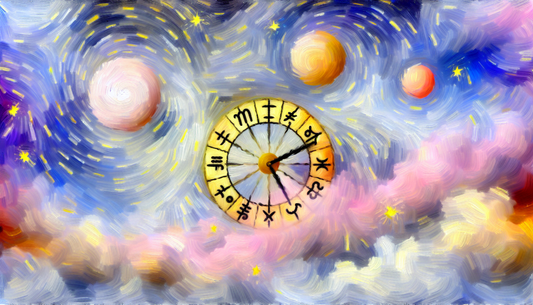
Astrology embraces symbolism, tradition, and intuitive interpretation. Astrologers craft natal charts - sometimes called horoscopes - based on the celestial positions at the moment of one’s birth, offering insights into personality, potential challenges, and life paths. This artful practice fosters self-reflection and personal meaning, even if it falls outside the boundaries of conventional science.
In contrast, astronomy is rooted firmly in the scientific method. Astronomers collect data using cutting-edge telescopes, satellites, and space probes to explore phenomena far beyond our planet. Their findings are tested, verified, and shared within a community that values empirical evidence. This methodological rigor places astronomy as a pillar of modern science, helping us decode the vast cosmos with precision and wonder.
The Cultural Impact of Astrology and Astronomy
Astrology continues to enchant many, influencing everything from art and literature to daily inspiration and wellness communities. By offering a framework to explore identity and destiny, astrology connects us emotionally and spiritually, weaving a narrative that resonates on a very personal level. Its resurgence in digital culture, especially through apps and social media, highlights its enduring appeal.
Meanwhile, astronomy powers technological advancements and ignites the imagination. Recent milestones - like the James Webb Space Telescope’s breathtaking glimpses into the early universe and new discoveries of Earth-like exoplanets - fuel our collective awe and scientific breakthroughs. Astronomy inspires a shared sense of curiosity, pushing the frontiers of human knowledge and our understanding of existence.

Modern Perspectives: Bridging the Gap
In today’s world, the lines between astrology and astronomy sometimes blur, with many people cherishing the unique joys both offer. While astrology’s claims remain outside the scientific framework, it continues to build nurturing communities where intuition and connection bloom. At the same time, astronomy’s incredible discoveries remind us of our place within a vast, awe-inspiring universe, driven by evidence and exploration.
The explosion of new technology has also enriched astrological practices - modern apps now integrate precise astronomical data to enhance accuracy, offering users a seamless blend of cosmic facts and personal insights. This harmonious fusion invites us to engage with the night sky both intellectually and emotionally, honoring science and spirit alike.
Conclusion: Two Sides of the Celestial Coin
In essence, astrology and astronomy represent two wonderful ways humans have looked up and found meaning in the stars. Astrology invites a heartfelt journey of self-discovery through symbolism and stories, while astronomy opens doors to the astonishing truths of the universe through science.
As we continue to marvel at the night sky - whether through a telescope or in quiet reflection - we can cherish the gifts both fields bestow: curiosity, wonder, and a beautiful sense of connection. Embracing their differences enriches our experience of the cosmos, blending knowledge and intuition into a warm celebration of the infinite sky above.