From September 23 to 28, Milan hosted Fashion Week. It was interactive, funny, sometimes dull, sometimes fresh - but never dull-colored.
Gucci / Demna
Demna’s debut at Gucci came as a lookbook titled La Famiglia. The concept: “wardrobe of a crazy family,” featuring characters with bold personalities - from fatal women to evening sciura and divas, from Instagram addicts to those who simply enjoy life.
Gucci revisited its iconic codes: the Bamboo 1947 bag, Horsebit loafers, the Flora motif, and GG monogram. The aesthetic balanced maximalism (opera coats, jewelry) with the minimalist sensuality of sheer fabrics.
La Famiglia signals a new chapter for Gucci - returning to storytelling, reinterpreting heritage, and laying the groundwork ahead of Demna’s first runway show in February.
The Tiger
Alongside the lookbook, Demna presented the short film The Tiger, directed by Spike Jonze and Halina Reijn. This move emphasized Gucci’s ambition to return to storytelling - not just through fashion but through cinema. Jonze, known for his emotional irony (Her, Being John Malkovich), and Reijn, creator of the satirical horror Bodies Bodies Bodies, combined their styles to showcase Gucci as both emotion and cinematic universe.
Diesel
Diesel staged a true “golden quest.” The show began with models inside transparent eggs, revealing the first looks. The remaining 55 looks were scattered across Milan in similar installations. Viewers could collect them like puzzle pieces, with prizes for those who found the most. It wasn’t just a show - it was a game, turning the city into a runway and fashion into an interactive experience.
The hunt could also be followed online via a special YouTube stream.
This season, Glenn Martens emphasized outerwear: coats and trenches structured Diesel’s traditional “distressed” looks, giving them fresh form.
Jil Sander / Simone Berlotti
Simone Berlotti’s debut showcased clean silhouettes, precise cuts, and absolute elegance without excess. Each look was thoughtful and polished, blending calm sophistication with modern sensuality. Berlotty proved minimalism can be refined, emotional, and far from cold.
Fendi
Celebrating its 100th anniversary, Fendi presented a bright, lively collection that stood out from previous seasons. Iconic accessories, archive reissues, ’90s-inspired shoes, and wearable pieces balanced nostalgia with modernity.
Prada
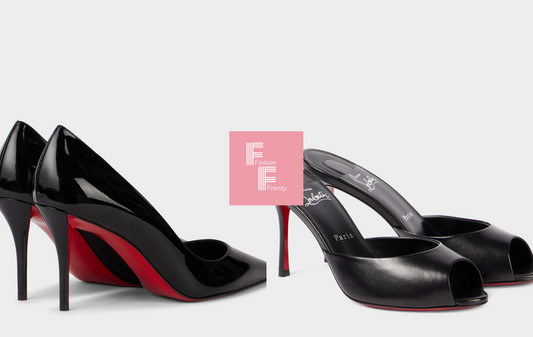
Prada remained recognizable with classic uniforms and familiar silhouettes but added striking new touches. The standout: pointed shoes with open toes - a bold variation likely to set a new trend. The collection showed that even familiar forms can surprise and inspire.
Maison Margiela / MM6
The MM6 line featured deconstructed jackets, interesting shoes, and eye-catching accessories. Yet, this season’s abundance of prints and colors somewhat diluted the brand’s signature philosophy. Still, the collection retained a sense of experimentation and unconventional approach.
Moschino
Adrian Apiolaza delivered pure spectacle: metallic skirts, meme-inspired tees, and even towers of gift boxes on models’ heads. The collection combined humor, playfulness, and bold design - Moschino proved again that fashion can be fun and unexpected.
Emporio Armani / Giorgio Armani
Emporio Armani stayed true to tradition: all shades of gray, classic silhouettes, and restrained elegance. Giorgio Armani’s show felt like a ritual farewell to the legend, featuring relaxed silhouettes, thoughtful details, and emotional depth. It was a moving close to Fashion Week - not sad, but with a profound sense of Armani’s enduring legacy.
This season’s Milan Fashion Week was vibrant, diverse, and emotional: from Moschino’s playful experimentation to Jil Sander’s minimalist elegance, from nostalgic Fendi to cinematic Gucci. Each brand found its voice and left a lasting impression.
Now, all eyes turn to Paris Fashion Week - exciting to see what surprises and trends the City of Light has in store.